Upper cervical chiropractic focuses on the atlas and axis, the top two vertebrae in your neck, because even a small misalignment there can affect the entire nervous system from the brain stem downward. At Limitless Chiropractic in Ballantyne Charlotte, Dr. Tim specializes in this approach and uses 3D imaging and thermography to find misalignments most standard exams would miss.
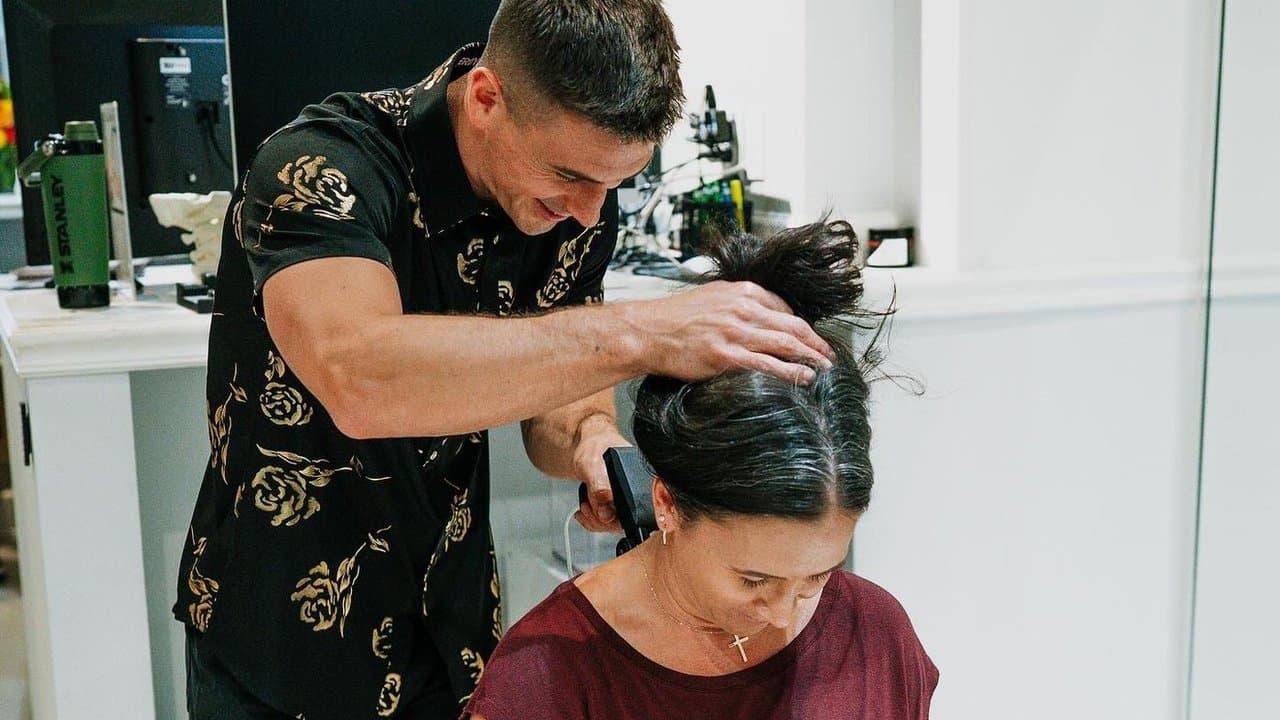
The most important thing to know upfront: upper cervical care does not involve twisting, popping, or forceful cracking of the neck. The corrections are precise and gentle, often so subtle that first-time patients are surprised. The force used is targeted and specific, not aggressive. If you have been nervous about neck manipulation after hearing about risks, this approach is fundamentally different.
Upper cervical misalignments are linked to a surprisingly wide range of symptoms, from chronic headaches and migraines to vertigo, neck pain, jaw tension, and fatigue. Many people spend years treating these symptoms without anyone looking at the upper cervical spine as a source. That is where we start.
Why the atlas and axis matter so much
The atlas (C1) and axis (C2) sit at the junction of the skull and the spine. This is where the brain stem transitions to the spinal cord, and it is one of the most neurologically important areas of the body. The atlas is also uniquely mobile because it has to allow your head to nod and rotate freely, which makes it more vulnerable to misalignment than other vertebrae.
When the atlas shifts even a small amount, it can place subtle tension on the brain stem and upper spinal cord, alter the flow of cerebrospinal fluid, and change how signals travel between the brain and the body. That cascade of effects explains why upper cervical misalignments can show up as symptoms in areas far from the neck itself.
How we assess and correct upper cervical misalignments
The process starts with a detailed consultation, neurological testing, and thermography, a non-invasive scan that measures heat patterns along the spine to identify areas of nerve interference. We then take 3D spinal images to see the exact position of your atlas and axis in three dimensions.
With that data, Dr. Tim makes a precise, low-force correction. No twisting. No sudden movements. The adjustment is often performed with you resting comfortably on your side. We then re-scan to confirm the correction was effective. Follow-up visits monitor how long the correction holds, and over time, most patients hold their alignment progressively longer as the supporting muscles and ligaments stabilize.
Conditions that often improve with upper cervical care
Upper cervical care is not a treatment for diseases, but many people notice significant improvements in neurologically driven symptoms once the atlas is properly aligned and the brain-to-body communication pathway is clear.
- Chronic tension headaches and migraines
- Vertigo and dizziness (especially cervicogenic vertigo)
- Neck stiffness and reduced range of motion
- Jaw pain and TMJ tension
- Tinnitus (ringing in the ears)
- Numbness or tingling into the arms and hands
- Difficulty sleeping and chronic fatigue with a cervical component
- Post-concussion symptoms
Who is a good fit for upper cervical care in Charlotte
Upper cervical chiropractic is appropriate for a wide range of people, including children and seniors. Because the technique uses very gentle, low force, it is well-suited for people who are uncomfortable with traditional manipulation, those recovering from injury, older adults with fragile bones, and anyone who has had a bad experience with conventional chiropractic in the past.
We serve patients throughout Charlotte and the surrounding South Charlotte communities, including Matthews, Waxhaw, Fort Mill, and Indian Land. If you are looking for an upper cervical chiropractor near you and want to understand whether this approach makes sense for your situation, call (704) 765-0454 and we will talk through it.