Spinal stenosis is a narrowing of the spinal canal that puts pressure on the spinal cord or the nerves exiting the spine. At Limitless Chiropractic in Charlotte, we offer non-surgical care for spinal stenosis that focuses on reducing that nerve compression, restoring spinal mobility, and improving daily function, particularly for people who want alternatives to long-term pain medication or surgery.
Stenosis most commonly affects the lumbar spine, where it causes pain, cramping, or weakness in the legs with walking and standing, relieved by sitting or bending forward. Cervical stenosis can cause similar symptoms into the arms and hands, and in severe cases affects balance and coordination.
Chiropractic care does not reverse the structural narrowing of the canal, and we are direct about that. What it can do is reduce the inflammatory component of nerve compression, improve how the surrounding joints move, take pressure off the neural tissues through decompression, and help the overall structure function as well as possible within the limitations of the stenosis.
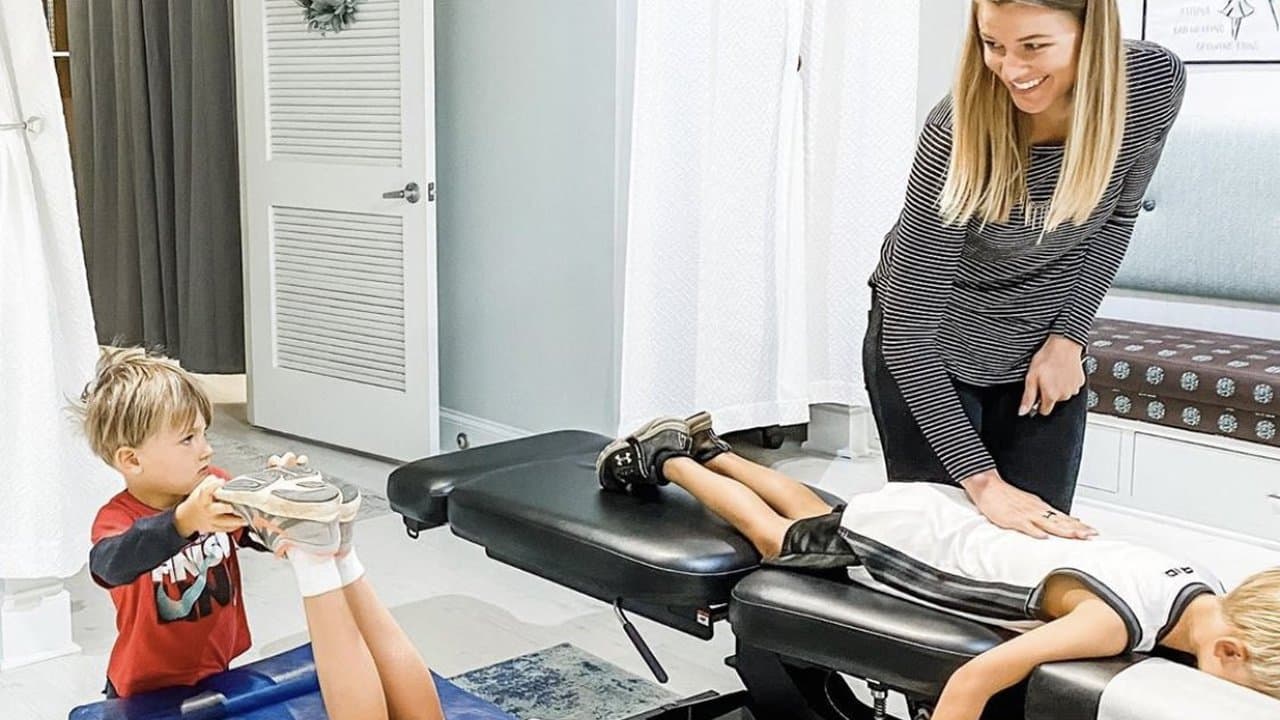
How chiropractic and decompression help with stenosis
Gentle chiropractic adjustments improve mobility in the spinal segments adjacent to the stenotic level, reducing the compensatory strain that stiffened joints place on the narrowed area. Improved spinal motion also reduces the muscular guarding that amplifies stenosis symptoms.
Spinal decompression therapy creates negative pressure in the disc spaces adjacent to and within the stenotic level, which can reduce disc bulging into the canal and take some of the load off compressed nerve roots. For lumbar stenosis in particular, decompression is a useful tool to incorporate alongside adjustments.
What to expect from care
We start with a thorough exam and review of your imaging, including any MRI reports you have. We want to understand the degree and location of stenosis before recommending any specific approach. Severe stenosis with progressive neurological symptoms, such as increasing weakness or loss of bladder or bowel control, requires urgent specialist evaluation rather than chiropractic care, and we will tell you that clearly.
For moderate stenosis with functional limitations and pain, we set realistic expectations: the goal is meaningful improvement in your daily activity, reduction in pain frequency and intensity, and the ability to stay more active. Many of our stenosis patients find they can walk farther, sleep better, and do more of what they want to do with consistent care.
Activity modifications alongside care
Certain positions and activities aggravate stenosis while others relieve it. We discuss activity modification as part of every stenosis care plan because how you move and load your spine between visits significantly affects how you feel. Things like walking posture, seating choice, and the way you manage prolonged standing all have practical implications for stenosis management.
Coordinating with your other providers
Many people with stenosis are also being managed by a neurologist, orthopedic surgeon, or pain management specialist. We work well alongside other providers and are glad to communicate with your care team. We also respect that some people ultimately benefit from surgical decompression, and we will tell you honestly if your presentation suggests that conversation is worth having.
If you are in the Charlotte area and want to explore non-surgical options for spinal stenosis, call (704) 765-0454 to set up an evaluation.