Spinal decompression therapy is a non-surgical treatment that uses a motorized table to gently stretch the spine, creating negative pressure inside the disc. That negative pressure draws herniated or bulging disc material back toward center and encourages nutrients and hydration to flow back into a compressed disc. At Limitless Chiropractic in Charlotte, it is one of the tools we use for people who want to avoid surgery or who have not found lasting relief with other approaches.
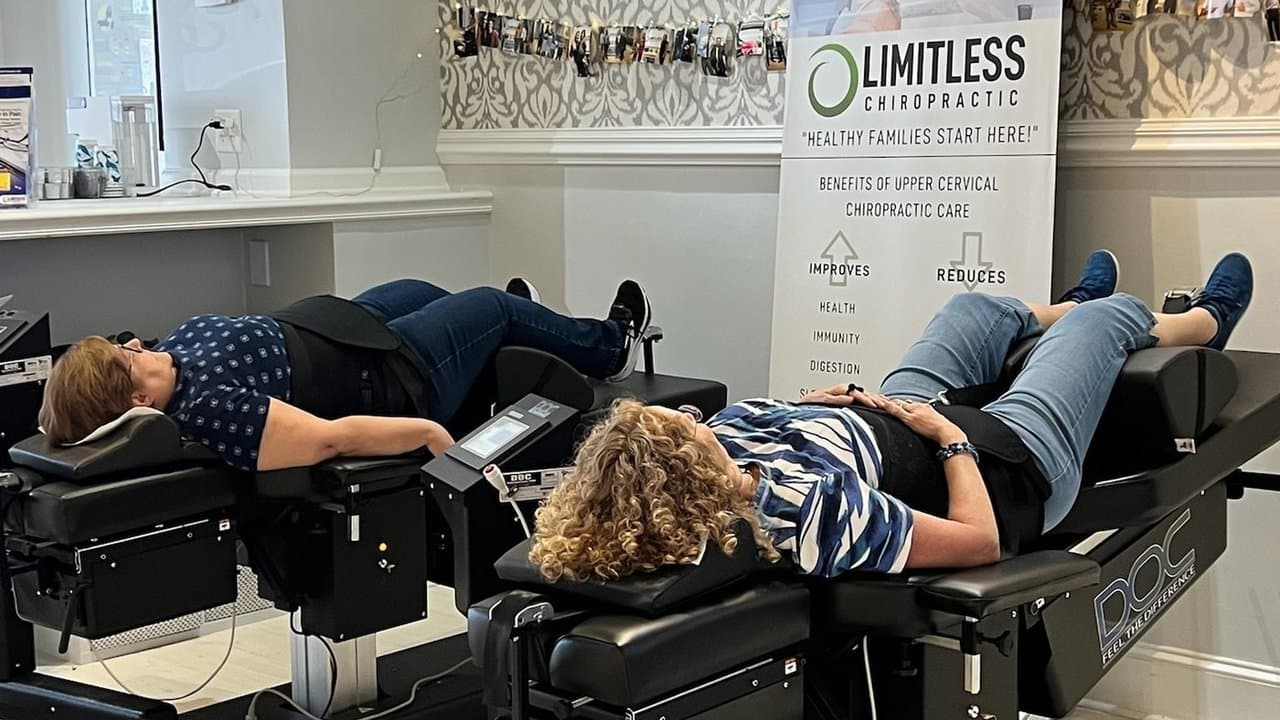
The treatment itself is not painful. Most people describe it as a slow, rhythmic stretch. You are secured to a table that is computer-controlled, so the amount of traction, the angle, and the timing are precise rather than manual. Sessions typically last around 15 to 30 minutes.
Decompression works best as part of a broader care plan that includes chiropractic adjustments to restore spinal alignment and therapeutic exercises to support the disc over time. We will walk you through what a full plan looks like after we review your imaging and examine your spine.
Who spinal decompression is designed for
Decompression is most commonly recommended for people dealing with disc-related problems in the lumbar (lower) or cervical (neck) spine. If imaging has shown a herniated disc, bulging disc, or degenerative disc changes, and you are experiencing radiating pain, numbness, or weakness as a result, decompression may be an effective option.
- Herniated or bulging lumbar discs
- Herniated or bulging cervical discs
- Chronic lower back pain with a disc component
- Sciatica with nerve compression at the disc level
- Pinched nerves in the neck or lower back
- Degenerative disc disease
- Spinal stenosis with disc involvement
- Failed back surgery syndrome (relief of ongoing symptoms after surgery)
How it complements chiropractic care
Decompression addresses the disc, but the spine also needs proper alignment and muscular support to hold the improvements. That is why we pair decompression sessions with chiropractic adjustments and often recommend home exercises between visits.
Sciatica is a good example. The nerve pain running down the leg often comes from disc pressure at the L4-L5 or L5-S1 level. Decompression can relieve that direct pressure on the disc, while adjustments restore motion to the joints that may be contributing to the compression, and targeted exercises protect the area going forward.
What to expect during treatment
During your first decompression session, we fit you with a harness attached to the table and start at a low traction weight to let your body adjust. Over subsequent sessions, the parameters are gradually progressed based on your response. Most people feel relaxed during treatment, and some even fall asleep.
The number of sessions needed varies based on the severity and chronicity of the disc problem. We will give you a realistic picture of the expected timeline after reviewing your exam and imaging. Unlike surgery, there is no downtime after a session, and most people can return to normal daily activities immediately.
Is decompression right for you?
Not everyone is a candidate. We do not use spinal decompression for people with spinal fractures, certain types of tumors, advanced osteoporosis, or implanted spinal hardware. During your new-patient exam, we screen carefully to make sure decompression is safe and appropriate for your specific spine.
If you are in the Charlotte area and want to know whether decompression could help your disc pain without surgery, call (704) 765-0454 or visit our contact page to set up a consultation. We are also happy to review any existing MRI reports you have.